Showing posts with label Membership. Show all posts

Friday, October 27, 2017

Members Make the Difference


Members are the grease to our gears, the milk to our cereal and the yee for our haw. Without our members we fail to exist. Members own GENEX, which is one of the things that make a cooperative  business model so special. 

Co-op membership is simple and rewarding and includes benefits such as:
» Voting privileges and a voice in the governance of the cooperative
» Invites to member appreciation meetings and events
» Earning equity in the cooperative
» Opportunity to become a delegate or director


GENEX has a long history of acting on the needs and concerns of its members. Two of the most recent examples are the Ideal Commercial Cow (ICC$) index and RumiLife® CAL24™ nutritional supplement. 

The ICC$ is a Holstein sire ranking tool developed to meet the demands of GENEX members and customers for a healthy, medium-sized cow. It addresses the needs of commercial dairy producers using real-time economic indicators, scientific principles and data-driven genetic evaluations from multiple sources. A Jersey ICC$ is also in the development phase with plans for release soon.


Members came to us wanting a sustained release, once-and-done calcium supplement for transition cows. GENEX once again came through and introduced RumiLife® CAL24™ nutritional supplement. This new product allows producers to forget the worry of catching cows several times to administer boluses treating low blood calcium. This one treatment with two boluses provides the 24-hour coverage that is needed.

The grass-roots structure of a cooperative such as GENEX, means its members' voices are heard. GENEX is currently conducting its Fall Delegate Meetings where delegates and alternates from across the country are gathering to provide feedback and ideas. These are the very meetings where many of the new GENEX initiatives come from.

It truly is you, the GENEX member, who makes the difference in our cooperative. Thank you for your continued support and guidance as we fulfill our purpose to be the trusted provider of world-class animal genetics, progressive reproductive solutions, value-added products and innovative services to members and customers.

Monday, February 6, 2017

Top 10 Reasons to be a GENEX delegate


The third week of January is often characterized by blowing snow and frigid temps, but in most cases, that doesn’t stop GENEX delegates from convening in Minneapolis, Minnesota, for the cooperative’s annual meeting. This year, delegates from 26 states made the trek. For repeat visitors, the annual meeting is a time to catch up with fellow producers and GENEX management. For new delegates, it’s an opportunity to really learn more about the inner workings of the co-op.

Much more than a meeting. While “annual meeting” may sound like a bore, the GENEX meeting is so much more! In addition to the business meeting and evening entertainment, the event includes educational opportunities. This year the co-op held five breakout sessions featuring 11 topics for delegates to gain cooperative or farm management insight. Topics ranged from cybersecurity to beef in Brazil and from research updates to the beef lineup and the Ideal Commercial Cow (ICC$) index. Time and time again, these breakout sessions are a fan favorite. This year was no different. Here’s what a few delegates had to say:

Delegates attend breakout sessions at the annual meeting
Your reasons. How does a GENEX member get the opportunity to attend the annual meeting? First, you must self-nominate to be a delegate. Then the members in your local membership district cast their vote on who should be a delegate. If you are elected, you are invited (and expected) to attend the annual meeting in January and an input meeting in the fall.


Why would you want to become a delegate and attend the annual meeting? Here’s the Top 10 reasons, as shared by delegates at this year’s GENEX annual meeting

   10. Gets you away from the farm or ranch and that daily routine!
    9. A chance to meet producers from across the country.
    8. It’s a matter of give and take (contribute to the co-op and learn).
    7. It’s a family affair – My family’s been members of co-ops since the 1920s.
    6. GENEX is the best show in town, and we want to keep it that way!
    5. Delegate input keeps the organization healthy.
    4. Reuniting with fellow delegates that I only see once a year.
    3. Cooperatives educate their delegates and members. 
    2. Find out the inside-scoop on the new happenings at GENEX.
    1. We got voted in!

If becoming a delegate and attending the annual meeting interests you, watch for your next opportunity to self-nominate. In the meantime, here's some additional highlights from this year's annual meeting:


Friday, October 28, 2016

Cooperatives Build A Better World

I recently got the chance to screen a PBS Visionaries documentary celebrating 100 years of cooperatives. Can I just say I smiled through the whole hour? Watching the seven stories of cooperatives both in the U.S. and abroad made me swell with pride, pride for belonging to something that is committed to helping one another as a part of the very principles that make up their business model. (Click here to learn about the seven co-op principles.

I am blessed to be not only employed by a cooperative, but also a member of several through our farm. In both of these capacities, I have seen the hard work put in by members, delegates, board members and employees to make an impact, not only in the communities they live in or serve, but across the globe, from little things that multiply to become big things, like Operation Round Up at my local electric co-op, to the amazing list of community organizations my credit union supports, to the work Cooperative Resources International (CRI) conducts through its Cooperative Development and Emerging Markets Programs.


CRI has been working in global outreach for nearly 20 years. A recently completed project in Nicaragua spanned five years as part of a $5 million, USAID funded, Cooperative Development Program (CDP). The project aimed to transform household-level dairy producers and their cooperatives into small scale commercial firms. Dean Gilge, AVP of Global Development for CRI notes, "It is heartening to hear someone such as Norman Montenegro, General Manager for Nicaragua's Asogamat Cooperative, describe the tremendous value the program has made in their operation. Norman credits CRI's help in strong governance foundation, designing a strategic plan and coaching them to success."
Dean Gilge (left) and Dan Diederich, CRI Board Member (right) learn about Quesillos, a tortilla with white cheese, cream cheese and onions, from the Quesillo store manager.
Milk arrives at the central milk collection center in Nicaragua via several modes of transportation.
Recent projects have also taken us to South Africa where CRI has worked with the beef cooperative Inkephu and the dairy cooperative Seven Stars. These businesses were chosen because of their accomplishments in showing an interest and desire to grow as sustainable cooperatives. Genex Board Member, Terry Frost had this to say upon returning from his time working with the co-ops, "While improvements need to be made, the cooperatives' hope for the future is evident. I feel the cooperative members want to improve for their community. These people are very proud of their culture and heritage. They just need the guidance and training the CDP can and is providing."
Genex Board Member, Terry Frost (front) inspects a feedlot with the Chairman of Inkephu Cooperative in South Africa.
Last year, a CRI Emerging Markets Program, with funding from the USDA, brought a delegation of 29 beef industry representatives from China, Kazakhstan, Pakistan and Russia to the U.S. The participants were key dicision makers from large beef operations, universities, agriculture ministries and processing facilities. The tour showcased the U.S. beef industry "from semen to cellophane."
And the CRI commitment to global development is far from over. With current projects in South Africa and the Dominican Republic, we hope to continue to make a difference in agriculture and communities world-wide. 

By the way, if you get a chance to check out the documentary coming to a PBS station near you this November, watch it.  You won’t regret the hour you spend!

Friday, February 19, 2016

The Changing Faces of Genex Delegates

Just as the face of agriculture is changing, so too is the Genex delegate demographic. New faces emerge every year, accepting the challenge of learning something new and representing the membership in their area. Being a part of the leadership team for your cooperative allows you to stay abreast of the latest developments, while putting you in contact with others in the industry who may be facing the same experiences as you, and most importantly it allows you to shape the future of YOUR cooperative.

Today I want to introduce you to Alexa Kayhart. She may not be what you think of when you envision a delegate of an agricultural cooperative, but Alexa is exactly what makes cooperative governance so powerful, because of the diversity and perspective she brings to meetings.

1. Tell us a little about yourself and your farming/ranching operation.
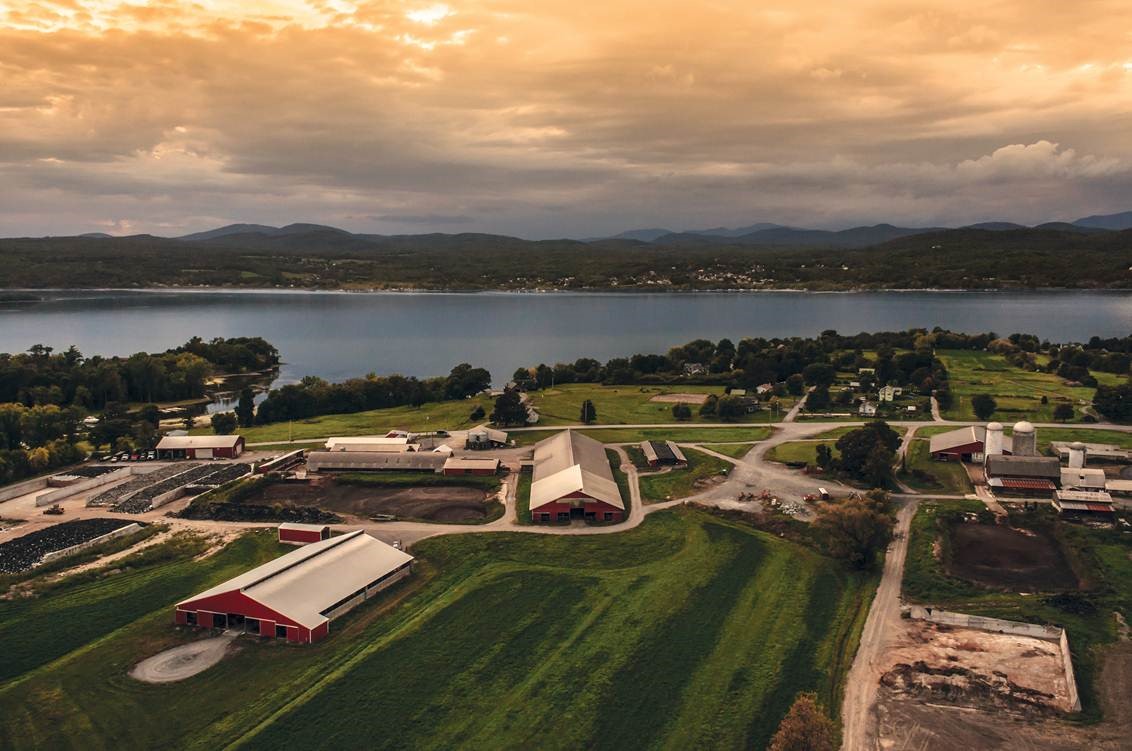
My name is Alexa Kayhart, I am a fourth generation dairy farmer in the beautiful town of Addison, Vermont, directly on the coast of Lake Champlain. I am 21 years old and a senior in college this year. I am finishing up my final year of school at Vermont Tech where I am studying diversified agriculture and entrepreneurship. My dad and uncle are at home running the farm where we currently milk 800 Holsteins. My plans are to finish up school, travel a bit and work with farmers all over the country before I return home to carry on the next generation of Kayhart Brothers Dairy!

2. Why did you decide to become a delegate?
Honestly? I did it because we needed an individual in our district and had no volunteers. I couldn't be happier that I was presented with the opportunity and only wonder why I didn't get involved earlier! As I sit here in the airport ready to go home from the CRI Annual Meeting, telling my story about being a delegate, I already can't wait for next year's meeting. It's a great opportunity to network and meet farmers from all over the world and
 simultaneously learn about the wonderful co-op we are a part of!

3. What are your duties and responsibilities as a delegate?
As a delegate, it is my main responsibility to relay information between the board of directors and the folks back home whether that be the technicians or other farmers. As a delegate we are expected to attend the annual meeting in Minnesota to participate in decision making and elections of new board members. Being an active delegate means learning about the co-op and helping to make decisions when necessary. We also get the opportunity to learn a lot about our co-op as well as positive ways to effectively promote the dairy industry, which we all know we need more of!

4. What type of time commitment is required of a delegate?
The time commitment isn’t much. We are asked to attend the annual meeting in Minnesota for two days in January and then also attend a regional meeting (only one day) in fall. All of the trips are reimbursed by CRI and the only thing that is asked of us is our presence.

5. As a newer annual meeting attendee, what has caught your attention?
This was my second year serving as a delegate, and I am amazed at how each year I get to meet new people and build off old connections I made the previous year. Everyone in our cooperative is so kind and for the most part there for the same reasons - to meet new people and support their cooperative. It makes good conversations easy to come by!

6. What would you tell someone who may be considering getting involved in the governance of their cooperative?
I couldn't be any fonder of this opportunity. It's a wonderful cooperative, and I've been so lucky to be a delegate for the past two years. The time commitment is minimal, and if you love to meet and network with other farmers from all over the world, this is a great way to do just that. Give it a try for just one year, and I promise you will have a hard time giving your spot to anyone else!


Do you have questions about becoming a delegate? We would be happy to provide more information, or point you to someone you could talk with. Just put your questions in the comments section below.

Friday, January 29, 2016

Delegates - the Driving Force Behind a Co-op's Success

When I was a kid, I remember my Dad going off to lots of meetings. He was on the school board, town board, church council, FFA Alumni, etc. He was also a delegate for several local co-ops (At different times of course. Mom wouldn't allow him to miss that many milkings!). As I have grown, I have tried to be involved in my local community as well. It wasn't until we recently started doing business with Genex and AgSource that I even thought much about how a cooperative is run or who makes up the delegate body and boards of directors.

Our recent CRI Annual Meeting gave me the perfect opportunity to delve into our leadership and find out more about our delegates, their responsibilities and why they serve their cooperative.

Tell us a little about yourself and your farming/ranching operation.
My name is Scott Erthum, and I am a rancher in the Sandhills region
in north central Nebraska. We run over 400 head of commercial
black Angus cows in a cow-calf operation. We started utilizing A.I.on
the heifers in 1993 and have been impressed with the gains in our replacement heifers and have been doing that ever since. We started with 21st Century Genetics and have been with the co-op since then.

Why did you decide to become a delegate?
When I first became aware of the governance of the co-op, I was interested. At the time, I was one of the few beef guys sitting in a room of dairymen. And about 20 years younger. We had to stand up and give a speech as to why we should be elected and I did. I was surprised when I was elected, and that experience of going to the meeting made me realize it was important to be involved, provide input when asked and
to listen and learn about my cooperative.

What are your duties and responsibilities as a delegate?
The duties and responsibilities of a delegate are fairly easy. You attend the meetings and keep an open mind. You ask questions if they are important, and most importantly, you come to represent those members who elected you to this position. As a long time delegate for Nebraska, a lot of people know me. I have brought concerns of my members to the leadership to be addressed.

What type of time commitment is required of a delegate?
I give about a week a year for my duties as delegate. Three of those
days are for the meetings, three days are for traveling to the meetings
and one day is to attend the member appreciation meeting in my area. I
usually give a small speech at the member appreciation meeting about
why membership is important to all producers who qualify.

As a long-time Annual Meeting attendee, what has caught your attention?
The biggest thing that has always caught my attention at these Annual
Meetings is how accessible the management of our cooperative is.
Senior management is present and have been open to hear comments
and answer questions about topics and issues that we face. I also like
being able to talk to the beef procurement people about new bulls and of
course talking to producers from across the country.

What would you tell someone who may be considering getting involved
in the governance of their cooperative?
I would tell them that if they have any interest in it to ask questions first.
Make sure you have the time to make the meetings. Don't be afraid to
talk to people in the cooperative and to bring local concerns up at the
meetings. The co-op can only be as good as the people in it, and being a
delegate has been a very rewarding experience for me.

Tuesday, May 12, 2015

Ag Students Define Spirit of Agriculture

By Brooke Schultz, CRI

“An important percent of the current ag college graduates are returning to the farm,
which is another positive trend. However, a five-year projection indicates we will
be short over 15,000 ag graduates in the year 2020."

This was an eye-opening remark made by CEO Doug Wilson at the 2015 CRI annual meeting. While it’s nice to know agriculture college graduates return to their roots and what, more than likely, initiated their love for agriculture, you can’t help but focus on the latter half of that statement – the agriculture industry will, no doubt, suffer with a shortage of over 15,000 ag graduates.

With the decline of agriculture-related graduates, one thing has become evident for those who do choose to pursue that career path: they, must absolutely, without a doubt, be passionate about agriculture. The future of agriculture depends on hardworking, skilled, passionate young adults who are truly vested in arguably the most important industry worldwide. Keeping that in mind, our panel of judges selected four of 70 applicants to be awarded our first-ever CRI Collegiate Scholarship (next application period begins in January 2016).

Within the CRI Collegiate Scholarship application, students were asked to share what agriculture means to them and what lessons they learned from their agriculture involvement. With the answers we received, we know the future of agriculture looks bright. It was humbling to read about their passion for agriculture and what it has done for them, and we thought our four CRI Collegiate Scholarship recipients’ answers were too good not to share.

Between all four of their responses, they covered topics that define the essence of agriculture: a positive outlook, hard work, family and passion.


While some people may have a negative outlook on agriculture, scholarship award winner Gabryelle Gilliam from Washington, Kansas, proved with a little hard work and a positive mindset, agriculture can regain assurance and flourish as it has in the past. “I have learned that a positive outlook and influence is always needed in order to put a halt to some of the negativity agriculture has been facing. Our job as advocates is to get people to realize we are all the same, and we all rely on agriculture to survive."

People in all aspects of the agriculture industry know hard work and determination is what gets the job done, as Jeremy Davis of Bingham, Nebraska, illustrated. “Growing up on a ranch, I was given the experiences of actually working from a very young age. It was through these experiences that I learned work ethic and the mentality that if you are going to do it, do it the right way.” This is an important attitude to have in all aspects of your life, but especially in the agriculture field. With producers working extended hours, putting your all into your work the first time significantly decreases your chances of having to go back and do it again. And as we know, you do not have the time to backtrack! Giving minimal effort is not an option. You give it your all, all the time.

Agriculture is oftentimes associated with family and togetherness, and having a strong family connection helps you understand agriculture’s impact on both a local and global perspective. Madison Schafer from Goodhue, Minnesota, did an excellent job portraying the connection between family and agriculture by stating, “Family ties are what keep a farm going long after any other business would simply throw in the towel, and family is the structure that American agriculture has been built upon. I’ve learned what it means to dedicate yourself to something and really follow through with it to the end. I’ve also learned how important it is to celebrate the little things in life in the area of farming, because in the end: Farming isn’t just a way to make a living; it’s a way to make a life."

Can we all just take a moment to stop and re-read that last sentence? We couldn’t have said it better ourselves, Madison. This is the kind of outlook all agriculture graduates need to have. With future agriculturalists viewing their jobs not as something they need to do, but rather something they want to do, it gives us assurance that, despite the decreasing number of ag graduates, those who are pursuing agricultural degrees are passionate about it.

Speaking of passion, Gretta Binversie of Kiel, Wisconsin, explained how her passion for agriculture will propel her to succeed in agriculture. “The daily agriculture experience and contribution has elicited an attraction, love and passion I cannot simply give up. It presented an opportunity to know how it feels to work hard every single day while staying motivated and optimistic."

Seriously, with that kind of positive attitude, how can you not trust that these students will be a driving factor to what keeps agriculture alive? These are the kind of statements that prove it’s about quality, not quantity. Today’s agriculture students are dedicated, honorable young adults who will continue to make agriculture prosper. Maybe we don’t have the numbers, but we sure have the heart.